Live Baseball Betting: How to Read In-Play MLB Markets at UK Sportsbooks
 Available in US
Table of Contents
- Why Baseball’s Pace Makes It Ideal for Live Betting
- Live Markets Available at UK Bookmakers
- How Live Odds Move During a Baseball Game
- Live Streaming MLB at UK Betting Sites
- Cash Out and Partial Cash Out in Baseball
- Tactical Approaches to In-Play Baseball Bets
- Latency, Suspension Windows and Risk Management
- Reading the Game Before the Odds Do

Why Baseball’s Pace Makes It Ideal for Live Betting
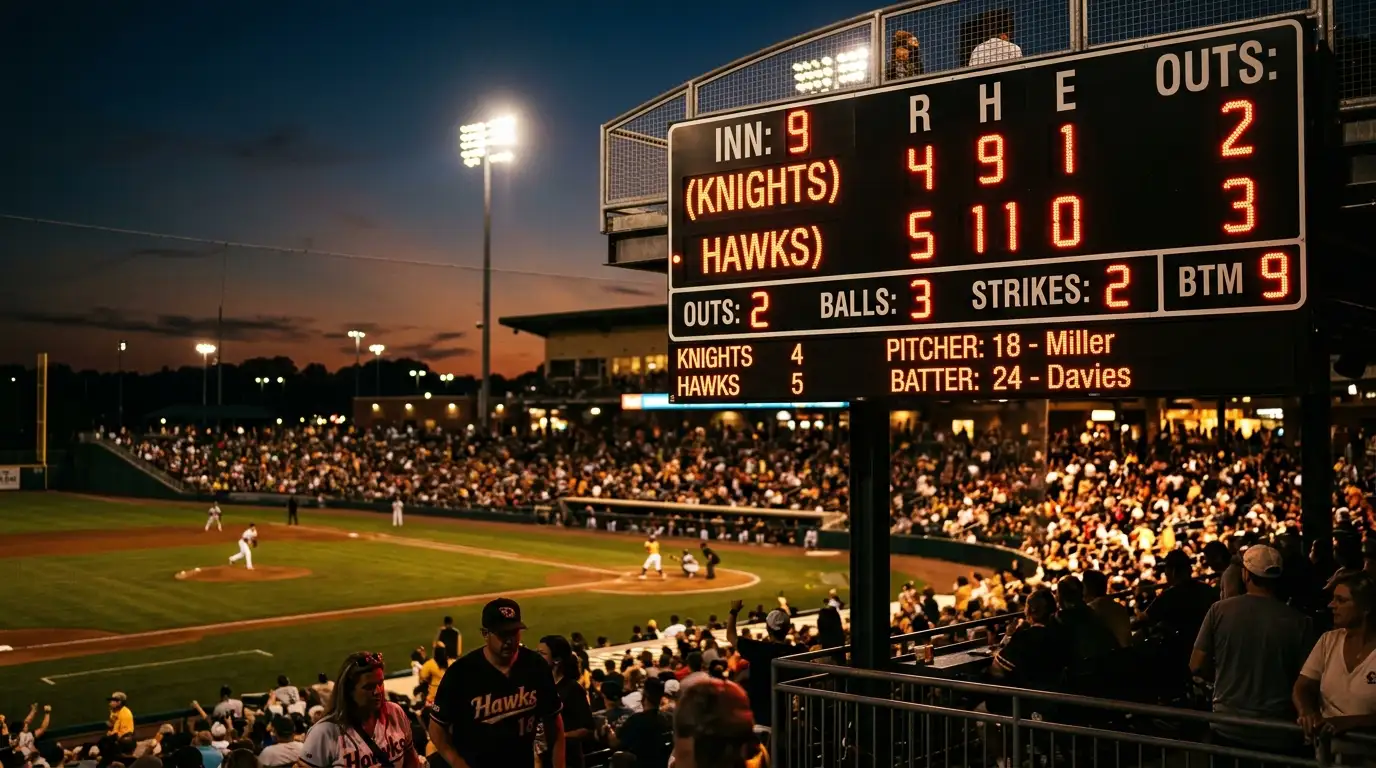
The first time I placed a live bet on a baseball game, I nearly missed the window. I was watching a Yankees game at 1am UK time, saw the starting pitcher load the bases in the second inning, and fumbled with the app trying to find the in-play market before the odds suspended. By the time I got my bet down, the price had already moved five points. That fumble taught me something useful: baseball’s rhythm — its pauses between pitches, between half-innings, between batters — creates natural windows for live betting that most other sports simply don’t offer.
Football’s in-play markets move in a blur. A goal changes everything in an instant, and if you’re not watching the live feed with near-zero delay, you’re already behind. Baseball is different. The game unfolds in discrete chunks: pitch, result, pause, next pitch. Each half-inning has a clear beginning and end. Pitching changes create extended stoppages that give you time to reassess, recalculate, and act. The average MLB game in 2024 ran about 2 hours and 36 minutes across nine innings — the shortest in four decades — but that time is distributed in a way that creates dozens of natural decision points rather than the continuous flow of a 90-minute football match.
For UK bettors, the practical appeal goes beyond structure. MLB games start between 5pm and 2am UK time, with the densest cluster of first pitches around 11pm to midnight. That late-evening window means you can settle into a game after the day is done, watch it unfold on a stream, and engage with in-play markets at a pace that feels deliberate rather than frantic. The UK online betting market processes roughly 290 million bets on real-life events each month, and the share flowing into live MLB markets has grown steadily as sportsbooks have expanded their baseball coverage.
See also: combine live wagers into a baseball parlay for bigger returns.
Live Markets Available at UK Bookmakers
When I first started browsing in-play baseball markets at UK sportsbooks, I expected moneyline and maybe an over/under. What I found was substantially deeper than that — and the range keeps expanding year on year.
The core live markets mirror the pre-match offerings but with constantly updating prices. The moneyline — which team wins the game — adjusts after every significant event: a run scored, a base hit, a pitching change, even a walk with the bases loaded. The run line (a 1.5-run spread) stays available in-play at most major UK books, though the odds swing more dramatically than the moneyline because a single run can flip the spread entirely. The game total (over/under runs) is the third pillar, recalculated continuously based on the current score, innings remaining, and which pitchers are still available in the bullpen.
Beyond those three, the interesting territory opens up. Next-inning markets let you bet on whether a specific half-inning will produce a run, a hit, or go scoreless. Next-batter markets — whether the upcoming hitter will reach base — are available at some books during high-profile games. Team totals, which set an over/under on runs scored by a single side, become particularly useful when one team’s bullpen is depleted and the other’s is fresh. The depth isn’t uniform across all UK sportsbooks — some offer 30+ in-play markets per MLB game, others stick to the basics — so it’s worth comparing before the season starts.
One market that doesn’t get enough attention from UK bettors: the live first-5-innings line. If you’ve assessed the starting pitching matchup pre-game and the first two innings play out as expected, the F5 live market lets you lock in value at an adjusted price that reflects the confirmed early performance rather than pre-game projections. I use this regularly when a quality starter I’ve backed records three or four quick outs to open the game — the market adjusts, but often not enough.
How Live Odds Move During a Baseball Game
Here’s something that surprised me early on: a team can score three runs in the first inning and still not become the in-play favourite. How? Because those runs came against a reliever brought in after the starter was ejected for arguing balls and strikes, and the team’s own starter just loaded the bases with nobody out. Context drives live odds more than the scoreboard does, and understanding that distinction is what separates informed live bettors from people chasing numbers.
Live odds in baseball move in response to three categories of information. The first is scoring events — runs, obviously, but also the situations that precede them. A bases-loaded, no-out situation triggers a price shift before any runs actually cross the plate, because the expected run value of that game state is well-documented. The second category is pitching changes. When a manager pulls his starter in the fifth inning and brings in a reliever with a 5.40 ERA, the moneyline adjusts instantly — sometimes by 15-20% in implied probability. The third is game state momentum: a team that has stranded runners in three consecutive innings will see its live odds drift slightly, even though the score hasn’t changed, because the market prices in the declining probability of converting those opportunities.
For UK bettors watching on a delayed stream — and nearly all UK streams carry some delay — the key is to anticipate rather than react. If I see a starter’s pitch count climbing past 85 in the sixth inning, I know a bullpen handover is coming within the next few batters. I make my assessment of the bullpen matchup before the change happens, so I’m ready to act when the market adjusts. Reacting after the fact means taking prices that have already moved past the value point.
Live Streaming MLB at UK Betting Sites
Betting live on baseball without watching the game is like trading stocks without checking the chart. You can do it, but you’re operating blind in a market where everyone else can see. The good news for UK bettors is that live MLB streaming has become increasingly accessible through UKGC-licensed sportsbooks, though the coverage and quality vary more than you’d expect.
Most major UK betting operators stream a selection of MLB games throughout the season. The requirement is typically an active account with a positive balance or a bet placed within the last 24 hours — the threshold is low. Stream quality ranges from adequate to surprisingly good, with most feeds running at a resolution that lets you read the pitch count and see defensive positioning clearly enough to inform your betting decisions. The catch is latency: sportsbook streams typically run 5-15 seconds behind the live broadcast, and the odds feed updates faster than the video. That gap means you’ll occasionally see a price shift before the event that caused it appears on your screen.
I manage this by using the stream for context — who’s warming up in the bullpen, how the starter’s velocity is trending, whether the manager is visiting the mound — rather than for play-by-play reactions. The strategic information embedded in visual cues doesn’t expire in 15 seconds. A pitcher whose fastball has dropped from 94mph to 91mph over the last two innings is showing fatigue that the market hasn’t fully priced in yet, and that observation holds value whether you see it live or on a 10-second delay. Roughly 95% of UK online bets are placed from the bettor’s home, and for baseball, that home environment — a second screen with stats, a stream on the main display — creates an ideal setup for thoughtful in-play engagement.
Cash Out and Partial Cash Out in Baseball
Cash out is the feature that sportsbooks want you to use and that disciplined bettors almost never should. I know that sounds contrarian, but hear me out — the maths behind cash-out offers consistently favour the house, and in baseball’s volatile scoring environment, the temptation to cash out is designed to exploit your nervousness rather than protect your profit.
The mechanics are simple enough. You place a pre-match bet on a team at 2.20. By the fourth inning, your team leads 3-0 and the live moneyline has shifted to 1.30. The sportsbook offers you the chance to “cash out” for a guaranteed profit — typically somewhere between what you’d win if the bet lands and what you’d get at the new live price. That offer includes a margin for the bookmaker, which means the cash-out value is always less than the mathematical expected value of letting the bet run. You’re paying a premium for certainty.
There are narrow situations where cash out makes tactical sense. If your pre-match bet hinged on a specific pitcher and that pitcher leaves the game injured in the third inning, the fundamental basis for your wager has changed. Cashing out in that scenario isn’t emotional — it’s adjusting to new information that your original analysis didn’t account for. Similarly, if you’ve placed an accumulator and one leg is live with the others settled, cashing out a portion to lock in guaranteed profit can make bankroll sense.
Partial cash out — available at several UK sportsbooks — is the more interesting tool. It lets you take a fraction of the offered cash-out value while leaving the remainder of your bet active. If your team is up 4-1 in the seventh, you might cash out 50% to guarantee some return and let the other half ride to the finish. The margin the bookmaker charges still applies, but you’ve reduced your risk without fully surrendering your position. I use partial cash out sparingly — perhaps once or twice a month — and only when the in-game circumstances have deviated substantially from my pre-match assessment.
Tactical Approaches to In-Play Baseball Bets
Last July, I watched a game where the home team’s ace was cruising through five scoreless innings. His pitch count was efficient, his slider was unhittable, and the live moneyline had his team priced at 1.35. Then he came out for the sixth, threw two pitches, grabbed his elbow, and walked off the mound. Within 90 seconds, the moneyline flipped to the other side. The bettors who profited weren’t lucky — they had a plan for exactly that scenario.
The most reliable live baseball strategy I use is the bullpen exploit. Every MLB team publishes its active roster, and bullpen arms have well-documented recent usage patterns. If a team’s three best relievers all pitched the previous night and the game goes to extra innings or the starter exits early, the available relief options are demonstrably weaker than what the market assumes. I keep a simple spreadsheet tracking bullpen usage for the teams I’m watching, updated from the previous night’s box scores, and it takes less than five minutes per day. That preparation turns bullpen handovers — the most volatile moments in live baseball — into structured betting opportunities.
Another approach: the run-line shift in middle innings. Baseball games that are 0-0 or 1-0 through four innings create compressed live odds, because the market is uncertain about which direction the game will break. If my pre-game model strongly favoured one side’s offence — based on the matchup against the opposing bullpen rather than the starter — I wait for the starter to exit and then take the live run line at an improved price. The market often overreacts to a scoreless early game by treating both teams as roughly equal, when the underlying offensive projections still favour one side significantly.
Weather-adjusted live betting is underused by UK punters who haven’t spent time at American ballparks. Wind direction at Wrigley Field, temperature at Coors Field, humidity at Minute Maid Park — these factors affect ball flight and scoring probability. A game that starts with the wind blowing in from centre field (suppressing home runs) can shift mid-game as weather patterns change, and totals markets don’t always adjust quickly enough. I check in-game weather data alongside the stream to spot these discrepancies.
Latency, Suspension Windows and Risk Management
Every live bettor operates with a delay. The question is whether you understand your delay and plan around it, or pretend it doesn’t exist and wonder why your bets keep getting voided.
Suspension windows in live baseball betting occur during active play — when a pitch is in motion, when a ball is hit into the field, when a runner is attempting to steal a base. The market locks, odds disappear from your screen, and you can’t place a bet until the play resolves and the book re-prices. In baseball, these suspensions are frequent but short, lasting anywhere from 5 to 30 seconds depending on the complexity of the play. Between half-innings, the market is typically open for 2-3 uninterrupted minutes — that’s your primary window for considered in-play wagers.
Latency compounds the suspension issue. Your sportsbook stream runs 5-15 seconds behind real-time. The odds feed updates on a 1-3 second delay from the book’s trading desk. Your own reaction time adds another beat. By the time you see an event, process it, and tap the bet button, the total lag can approach 20 seconds. For next-batter markets, that lag is often the difference between catching the price and watching it vanish.
Risk management for live baseball betting follows the same principles as pre-match wagering, with one critical addition: you need a hard stop on total live exposure per game. I cap my live bets at 3% of my bankroll per game, regardless of how many opportunities present themselves. Without that ceiling, a fast-moving game can draw you into four, five, six bets before you realise your total exposure has ballooned to dangerous levels. Rob Manfred, the MLB commissioner, has pushed for baseball to embrace transparency in the betting market, and that transparency works both ways — the same data that helps bookmakers set accurate live odds also helps disciplined bettors identify when the market is offering genuine value and when it’s a trap.
See also: betting for baseball for pre-game and in-play resources.
Reading the Game Before the Odds Do
The best live baseball bettors I know don’t stare at the odds screen. They watch the game. They notice the catcher setting up outside for the fourth consecutive pitch. They see the left fielder shading three steps toward the line against a pull-heavy hitter. They spot the manager walking to the mound with that particular posture that means the hook is coming, two batters before the market expects it.
Reading the game before the odds move is the entire edge in live betting. Sportsbook algorithms process data feeds — pitch velocity, exit velocity, win probability models — with impressive speed. But they don’t see everything. They don’t see a starter wiping sweat off his throwing hand more frequently than in the first few innings, which often precedes a drop in command. They don’t see a hitter who’s been fouling off tough pitches all night — an indicator that he’s “seeing the ball well” and due for a breakout hit. These visual signals create a 30-60 second window where the informed bettor knows something the algorithm hasn’t processed yet. The record 3,617 stolen bases across MLB in 2024 were driven partly by rule changes that shortened the game’s tempo — and that same tempo shift has made live betting windows tighter and more valuable for those who know where to look.
Building this skill takes time. I spent my first full season of live baseball betting watching games without placing a single in-play wager, just to develop pattern recognition. When did pitching changes predictably happen? How quickly did the market react? Where were the recurring pricing gaps? That season of observation was the most profitable investment I never placed a bet on, because it gave me the framework for building a structured approach to baseball betting that integrates live markets as a complement to pre-match analysis rather than a standalone gambling exercise.
Live baseball betting at UK sportsbooks is better now than it has ever been — more markets, sharper odds, genuine streaming coverage. The tools are available. The edge belongs to the bettors who prepare before the first pitch, watch the game with informed eyes, and act with discipline when the market offers a genuine opportunity. Everything else is just noise between innings.
What is the best time for UK bettors to watch live MLB games?
Most MLB games start between 5pm and 2am UK time, with the highest concentration around 11pm to midnight. Weekend afternoon games in the US often begin at 6-8pm UK time, which is more convenient for live betting without staying up late.
Can I place live bets on MLB games using a mobile app?
All major UKGC-licensed sportsbooks offer live baseball betting through their mobile apps. The experience mirrors the desktop version, with real-time odds updates and access to the same in-play markets. Ensure you have a stable internet connection to avoid missing price movements.
How often do live baseball odds get suspended during a game?
Markets suspend during active play — when a pitch is thrown, a ball is in the field, or a runner is in motion. These suspensions are brief, typically 5-30 seconds. Between half-innings and during pitching changes, markets stay open for 2-3 minutes, providing the longest windows for placing considered bets.
Is live baseball betting more profitable than pre-match betting?
Neither is inherently more profitable. Live betting offers opportunities to exploit real-time information that pre-match models miss, but it also requires faster decisions and carries higher variance. The most effective approach combines pre-match analysis with selective live bets when genuine value emerges during the game.
Created by the ”Betting for Baseball” editorial team.