MLB Spring Training Betting: What UK Bettors Should Know Before Wagering on Exhibition Games
 Available in US
Why Spring Training Is a Different Animal Entirely
Every February, I watch the same thing happen. Baseball betting markets open for spring training, and a flood of bettors treat these lines as if they were regular-season games. I did the same thing my first year. Backed the Dodgers at 4/5 against a team from the middle of nowhere, then watched a lineup of minor leaguers lose by six runs. That was an expensive lesson in what spring training actually is.
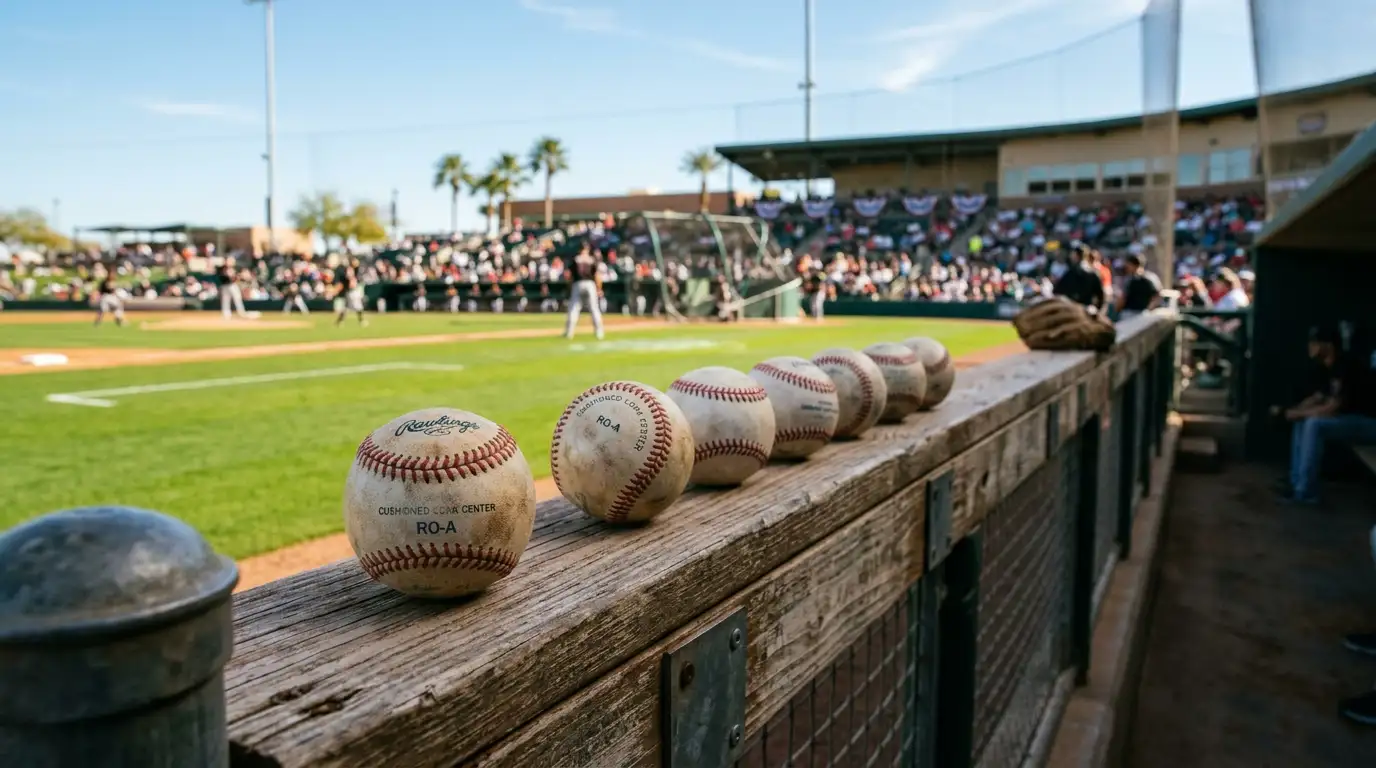
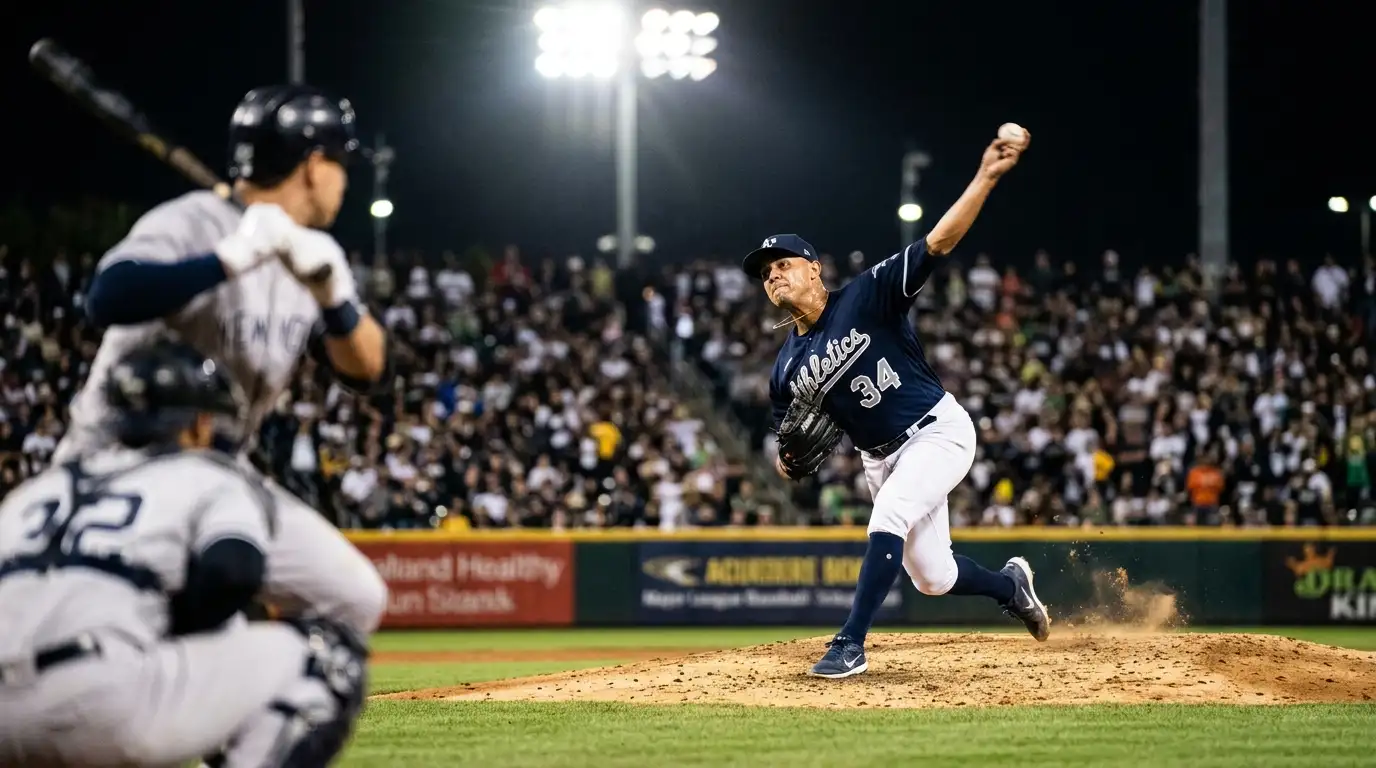
Spring training games in MLB are exhibitions. They exist so managers can evaluate players, test lineups and ease pitchers into game shape. The team you see listed on the schedule bears almost no resemblance to the one that takes the field. Starters play three innings and sit down. The ace pitcher throws 40 pitches and heads to the showers. By the fifth inning, you are watching prospects fighting for a roster spot against other prospects doing the same thing. The outcome of the game is, to put it bluntly, the last thing on anyone’s mind in the dugout.
This matters enormously for betting because every price you see is based on an assumption about who will actually play — and in spring training, that assumption is almost always wrong. Sportsbooks set lines based on the listed starting pitcher and the expected lineup, but managers routinely scratch starters without notice or limit them to two innings. The line you bet at 10am might be meaningless by the first pitch at 6pm.
See also: explore adjusted spreads in our MLB alternate run lines breakdown.
Reading the Lineup Cards Before the Market Does
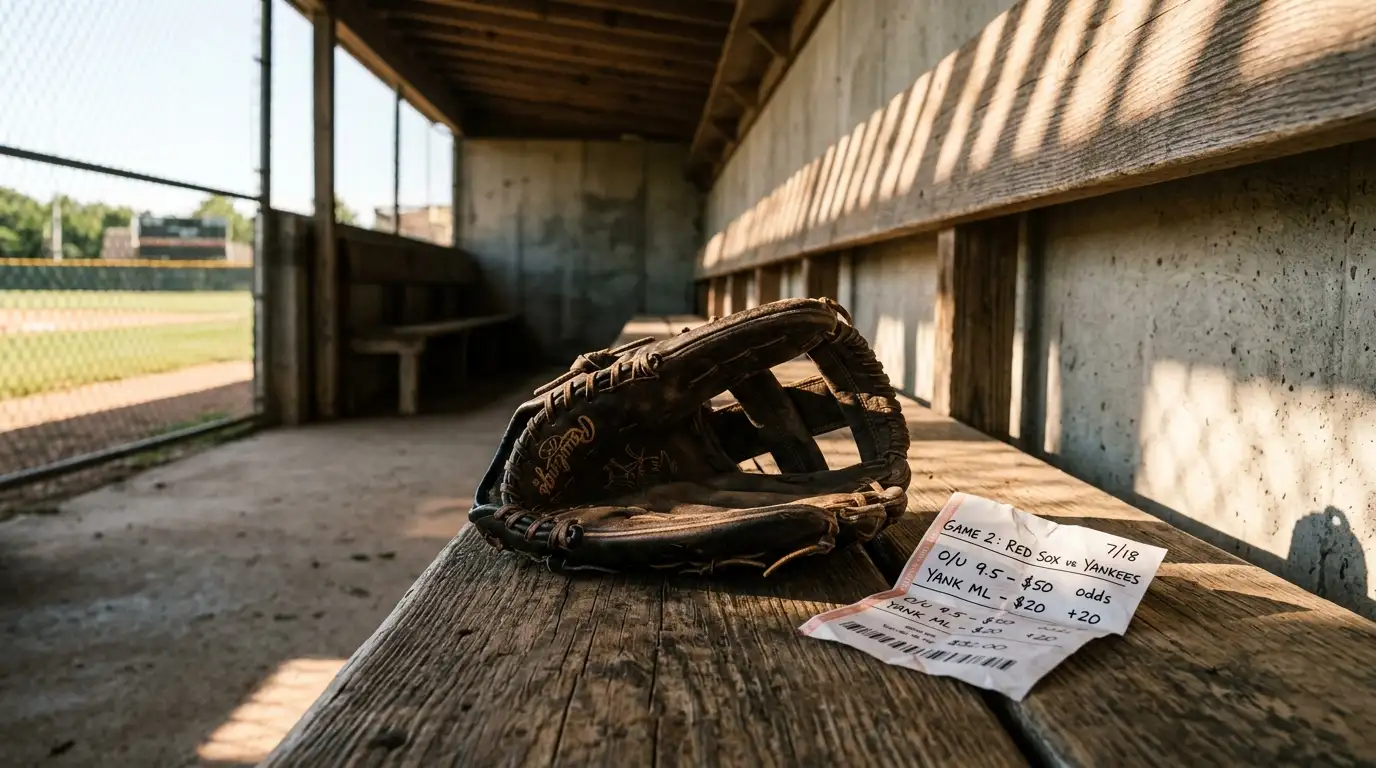
I once turned a solid February by doing nothing more sophisticated than checking lineup announcements before placing spring training bets. It sounds too simple, but the timing gap between when lineups post and when lines adjust is where the money lives.
MLB teams typically release spring training lineups 60 to 90 minutes before game time, sometimes later. If a team announces its full regular-season lineup while the opponent rolls out a split squad of minor leaguers, the moneyline will not have adjusted to reflect that disparity. Split squad days — when a team divides its roster to play two games simultaneously — are the most volatile. One squad might feature four All-Stars; the other might feature four players who will be in Double-A by April.
The practical edge is narrow but repeatable. Follow team beat reporters on social media. They publish lineups faster than sportsbooks can react. When you spot a significant mismatch between announced lineups and current odds, act quickly. The window closes within minutes once sharp money arrives, but in a market as low-volume as spring training, even UK-based bettors placing modest stakes can capture that gap.
Pitcher Workload Patterns and Their Effect on Totals
How many runs are going to be scored when neither team’s best pitcher throws more than three innings? A lot. That is the default reality of spring training, and the totals markets reflect it imperfectly.
Early in spring training — the first two weeks of games — starters throw 30 to 50 pitches. That translates to roughly two innings of work. The remaining seven innings are handed to bullpen arms who are similarly working up to speed, plus minor league pitchers getting a look. The pitching quality from the third inning onwards drops precipitously, and runs pile up. Overs hit at a significantly higher rate in the first two weeks of spring training than in the final two weeks, when starters extend to 75-80 pitches and five or six innings.
The flip side arrives in the final week before Opening Day. Managers deploy their expected regular-season bullpens in game situations, and starters throw near-regular outings. The quality of pitching in late-March spring training games more closely resembles the regular season, yet the totals are often still inflated from the market’s memory of early-spring blowouts. That late-spring under is one of the more consistent edges I have found, though it requires discipline to wait three weeks before placing your first bet.
The Cactus League vs. Grapefruit League Factor
Spring training splits into two geographical leagues — the Cactus League in Arizona and the Grapefruit League in Florida — and the conditions produce meaningfully different scoring environments.
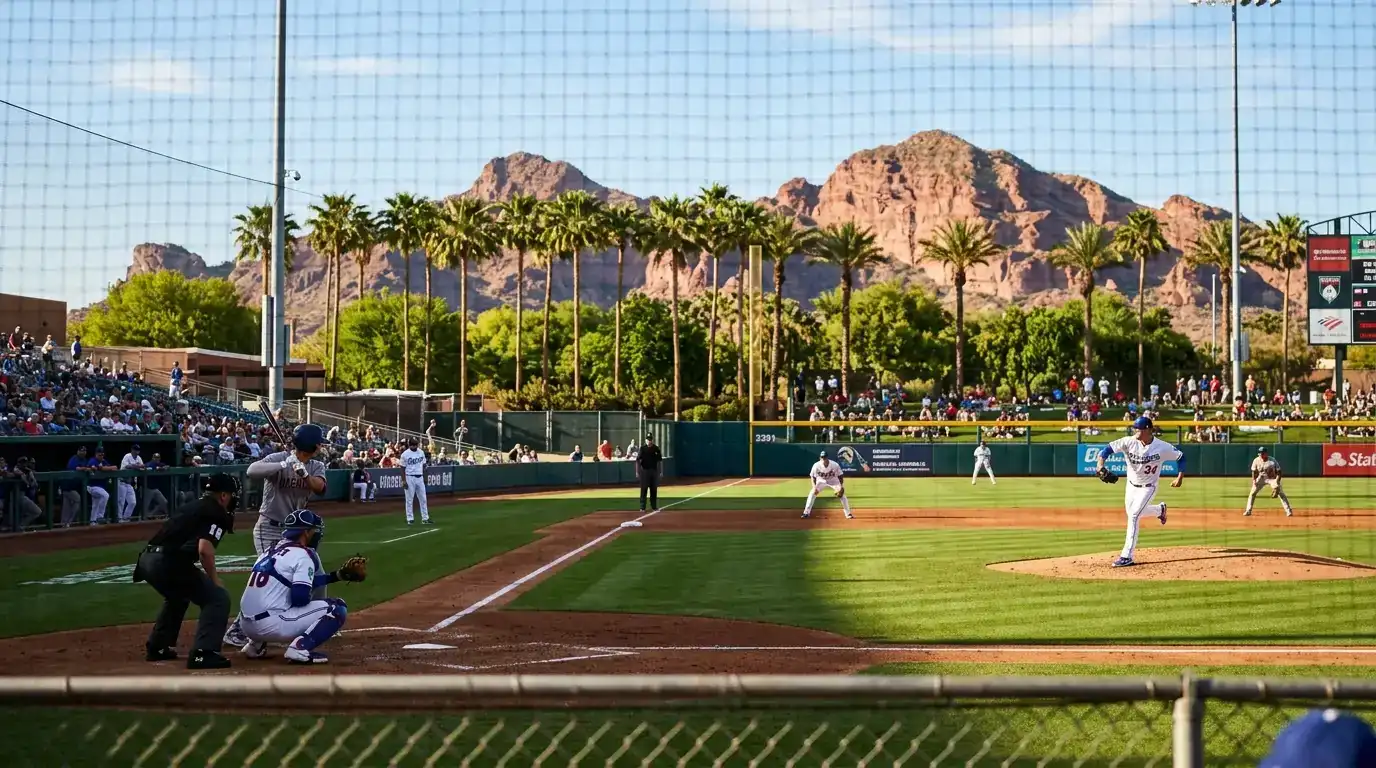
Arizona’s desert air is thin and dry. The ball carries further. Cactus League games consistently produce higher run totals than their Grapefruit League counterparts, in part because of the altitude and aridity but also because several Cactus League parks are smaller than their Florida equivalents. If you are betting totals, the league matters. A total of 10.5 in a Cactus League game between two offensively oriented teams is a different proposition than the same number in a Grapefruit League venue with marine air rolling in from the Gulf.
Weather plays an outsized role too. Florida games in late February can see temperatures drop below 15 degrees Celsius with high humidity, suppressing ball flight. Arizona games on the same day might see 28 degrees and bone-dry air. These are not marginal differences. They shift expected run totals by a full run or more, and the market does not always account for day-to-day weather variation within the same league.
See also: betting for baseball for pre-season and in-season coverage.
Where Spring Training Data Fits Your Season-Long Strategy
The real value of spring training for a serious bettor is not the games themselves — it is the information they produce. Pitcher velocity readings from spring outings are the earliest indicator of arm health or decline. A starter who averaged 95 mph on his fastball last season but sits 92 in spring might be managing a physical issue that will affect him into April and May. That data point, available weeks before the season, feeds directly into early-season betting decisions.
Hitter performance in spring training correlates poorly with regular-season production — sample sizes are too small and conditions too variable. Pitcher velocity and spin rate, however, carry meaningful signal. MLB’s average game time dropped to 2 hours 36 minutes in 2024, the shortest in 40 years, partly because pitchers are throwing harder and generating more swings and misses. When a pitcher’s spring velocity tracks with or above his prior-year average, it is a positive indicator for his first several regular-season starts.
I treat spring training as a scouting period rather than a betting period. The handful of bets I do place are opportunistic — lineup mismatches, late-spring unders, situational edges where I can see something the market has not yet processed. The UK remote betting market generated £7.8 billion in gross gaming yield in the year to March 2025, and baseball’s share of that is growing. Understanding the mechanics of first five innings betting becomes especially relevant when spring training transitions into the regular season, where those first-half markets offer cleaner data and more predictable outcomes. Most of my annual baseball profit comes from the regular season and postseason. Spring training is the homework, not the exam.
Can you bet on MLB spring training games from the UK?
Yes. Most major UKGC-licensed sportsbooks offer moneylines and totals for spring training games, though the market selection is thinner than the regular season. Availability increases as Opening Day approaches.
Are spring training results a reliable predictor of regular-season performance?
Team win-loss records in spring training have almost no correlation with regular-season standings. Individual pitcher velocity and spin rate data carry some predictive signal, but overall results are unreliable due to roster turnover, limited innings and exhibition-style management decisions.
What is the difference between the Cactus League and Grapefruit League?
The Cactus League hosts spring training in Arizona, while the Grapefruit League is based in Florida. Cactus League games tend to produce higher scoring due to dry desert air and higher elevation, while Grapefruit League games often feature lower totals from humid coastal conditions.
Published by the Betting for Baseball team.