Baseball Hedging and Cash-Out: When to Lock In Profit on MLB Bets
 Available in US
The Futures Ticket That Made Me Rethink Everything About Risk
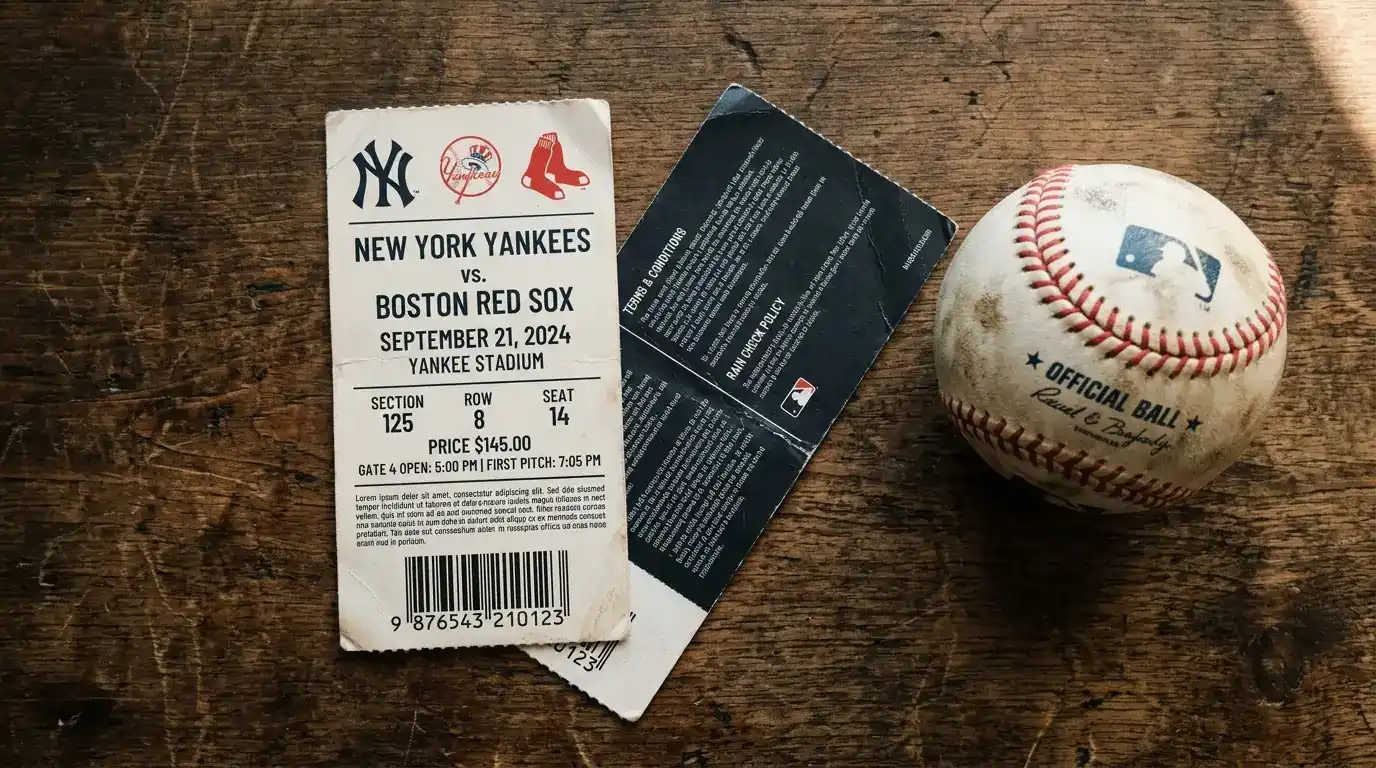
In March of a previous season, I placed a modest futures bet on a team to win the American League pennant at 16/1. By September, they had clinched their division and were a genuine World Series contender. My ticket was worth roughly twelve times my original stake. The question I faced is one every baseball bettor encounters eventually: do I let it ride, or do I lock in a guaranteed profit by hedging?
I hedged. Not fully, but enough to guarantee a profit regardless of the outcome. Some purists would call that a mistake — if the original bet had positive expected value, they argue, reducing your position reduces your expectation. They are technically correct and practically wrong. Expected value calculations assume you can weather any outcome emotionally and financially. In reality, watching a large potential payout evaporate in a single game can create psychological damage that affects your betting for months. Hedging is not just a financial decision. It is a risk management decision, and those are not always the same thing.
See also: hedge in real time with MLB live in-play betting options.
How Hedging Works Across MLB Market Types
Hedging means placing a bet on the opposite side of your original position to reduce risk. The mechanics differ depending on the market, but the principle is consistent: you trade potential upside for guaranteed downside protection.
On a futures bet, hedging involves backing the opposing team once your original selection has advanced far enough to create significant value. If you hold a pennant winner ticket and your team reaches the League Championship Series, you can bet the opponent’s moneyline for each individual game. If the opponent wins the series, your hedge bets cover your futures loss. If your team wins, the futures payout exceeds your hedge losses. The maths requires calculating your desired minimum profit and sizing the hedge bets to guarantee that floor.
On a parlay or accumulator, hedging targets the final leg. If you have a three-team parlay with two legs already won, you can hedge the third leg by backing the opposing team. This guarantees a profit from the first two correct selections while eliminating the risk of losing the entire parlay on the final game. The cost is reduced upside — the full parlay payout shrinks to a smaller but certain return.
On an individual game moneyline, hedging happens in-play. You back one team pre-match, then bet the other team live if the score shifts in the opponent’s favour and the live odds present an opportunity to lock in profit or limit loss. This is the most sophisticated form of hedging because it requires real-time assessment of the game’s probability and access to liquid in-play markets.
Cash-Out Features and What They Actually Cost You
Most UK sportsbooks offer an automatic cash-out button on MLB bets. Press it, and the bookmaker buys back your bet at a calculated price based on the current probability. Convenient? Absolutely. Fair? Almost never.
The cash-out price embeds a margin that significantly favours the bookmaker. When a sportsbook offers you a cash-out of 75 pounds on a bet that you could hedge manually for a guaranteed 82 pounds, that seven-pound difference is the cost of convenience. I have tracked cash-out offers against manual hedge calculations across hundreds of baseball bets, and the cash-out consistently undervalues the position by 8-15%. The UK remote betting market’s £7.8 billion gross gaming yield includes a substantial contribution from cash-out margins — they are one of the industry’s most profitable features precisely because bettors accept the convenience without checking the maths.
The exception is partial cash-out, which some operators offer. Taking a partial cash-out — locking in profit on a portion of your bet while leaving the remainder active — can be rational when the partial cash-out price is closer to fair value. Some sportsbooks price partial cash-outs more competitively than full cash-outs because the remaining active portion generates continued margin for the bookmaker. If you must use the cash-out feature, partial is usually the better deal.
When Hedging Destroys Value and When It Creates It
Here is the uncomfortable truth: hedging reduces your expected value. Every time you hedge a positive-expectation bet, you are voluntarily moving closer to break-even. If your original bet was a good bet — correctly priced with a genuine edge — then the mathematically optimal strategy is to let it ride. Hedging is a concession to the limitations of human risk tolerance, not an enhancement of your strategy.
That said, there are situations where hedging creates genuine strategic value beyond pure expected value. Life-changing payouts fall into this category. If a futures ticket is worth 50 times your annual betting bankroll, the utility of locking in even half that amount exceeds the expected value of letting it ride. The first 10,000 pounds of profit improves your life materially. The next 10,000 improves it marginally. Hedging captures the high-utility portion while risking only the low-utility upside.
Portfolio considerations also justify hedging. If your MLB futures book has multiple open positions and one has become correlated with another — say, you hold both a division winner ticket and an individual game moneyline that depends on the same team — hedging one position reduces portfolio-level risk without requiring you to close both. Managing correlation between bets is an underappreciated aspect of baseball betting, and hedging is one of the tools for doing so.
See also: betting for baseball for risk management and profit-locking tips.
A Practical Framework for MLB Hedge Decisions
I use three criteria to decide whether to hedge an MLB bet. First, is the payout large relative to my bankroll? If the potential payout exceeds 20 times my standard unit, I consider hedging. Below that threshold, the outcome does not change my bankroll trajectory enough to warrant reducing expected value. Second, is the original edge still present? If my team’s probability has improved since I placed the bet, the original position has become more valuable and hedging costs more. If the probability has declined but the bet is still alive, hedging at the current price may be close to fair value. Third, am I emotionally compromised? If I am checking the score every five minutes, refreshing the cash-out offer, or losing sleep over the outcome, the position is too large for my risk tolerance and should be hedged down to a comfortable size regardless of the maths.
The best hedge is one you plan before you need it. When I place a futures bet in March, I identify the scenario in which I will hedge and the approximate price at which I will do so. “If this team reaches the LCS, I will hedge 40% of the position.” That pre-commitment removes the emotional element from the decision and prevents me from either hedging too early (leaving value on the table) or too late (missing the optimal hedge window). Integrating hedge planning with your futures betting approach turns reactive scrambling into a structured part of your strategy.
Is it better to use the cash-out feature or hedge manually?
Manual hedging typically returns 8-15% more value than the sportsbook’s cash-out offer, because the cash-out price includes an embedded margin. If you have access to multiple sportsbooks and liquid in-play markets, manual hedging is the better option. Cash-out is acceptable when speed or convenience outweighs the cost.
Should I always hedge a winning futures bet?
Not always. Hedging reduces your expected value. It is most justified when the potential payout is large relative to your bankroll, when you are emotionally compromised by the size of the position, or when portfolio-level risk management requires reducing correlated exposure. For smaller positions, letting the bet ride is often the mathematically superior choice.
Prepared by the Betting for Baseball editorial staff.